

The silicone muffin cups are sitting in your drawer next to the regular bakeware, and the egg poacher you bought last year promises microwave use right on the package. But then you remember the stories: silicone that smells like chemicals, molds that turned sticky, a friend who swears her silicone mat warped in the microwave. So you pause with your hand on the microwave door and wonder, can you microwave silicone, or is this one of those materials that sounds safe until it is not?
The honest answer is that most food-grade silicone is genuinely microwave-safe, and the material itself is one of the most microwave-friendly things in your kitchen. The catch, and it is a real one, is that not everything sold as “silicone” is pure silicone. Cheap products bulked out with plastic fillers behave very differently under heat, and those are the products behind most of the scary stories.
This guide gives you the full picture. You will learn what silicone actually is and why microwaves barely affect it, how to run the famous pinch test that exposes filler-loaded fakes in ten seconds, what FDA and LFGB labels really promise, where the temperature limits sit, how to use silicone molds, lids, and covers in the microwave without problems, and how to care for your silicone so it lasts for years. By the end, you will be able to look at any silicone product and know in seconds whether it belongs in your microwave.
The Short Answer
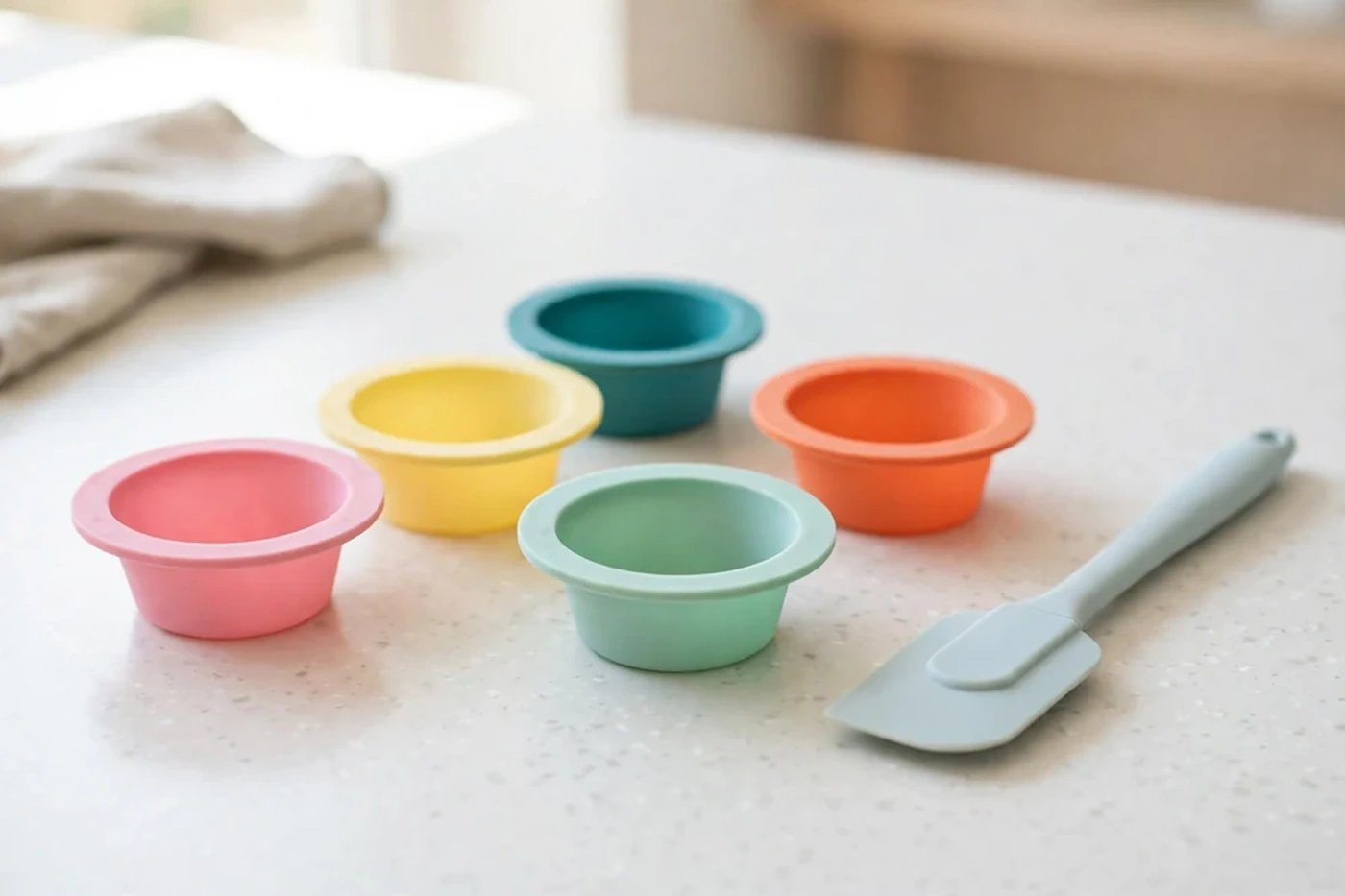
Yes, you can microwave silicone, as long as it is food-grade silicone and the product is labeled for microwave use. Pure food-grade silicone handles typical microwave temperatures easily, does not spark, does not melt under normal reheating, and is considered non-toxic for food contact by food safety authorities.
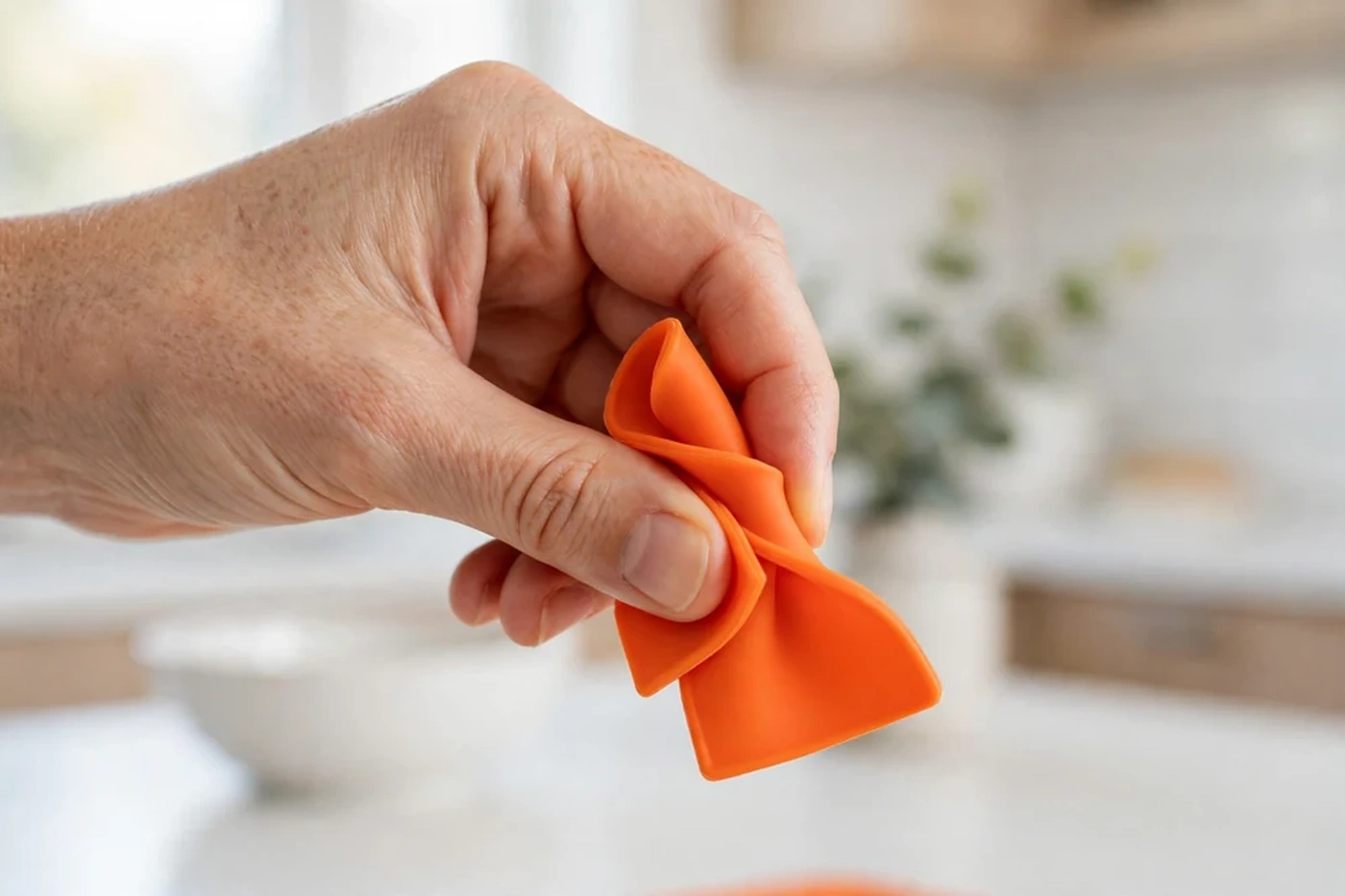
The one thing you must check is quality, not the material itself. Pinch and twist a flat part of the item: if the bent area stays the same color, it is pure silicone and you are good to go. If it turns white, it contains plastic fillers, and you should keep it out of the microwave and consider replacing it. For the complete container-by-container rundown of what passes the test, see Can You Microwave It? The Complete Safety Chart.
What Silicone Actually Is (And Why Microwaves Barely Bother It)
Silicone is a synthetic rubber built from silicon (the element found in sand and rock) bonded to oxygen. That silicon-oxygen backbone is unusually strong and stable, which is why silicone keeps its shape across a huge temperature range instead of softening like plastic. Food-grade silicone is formulated specifically for contact with food, and it is free from BPA, PVC, and phthalates, the chemicals people worry about with heated plastics.
Here is the part that matters for your microwave: silicone barely absorbs microwave energy. Microwaves heat food by agitating water, fat, and sugar molecules, and silicone contains very little of anything that responds to those waves. That is why a silicone muffin cup comes out of the microwave merely warm while the muffin inside is steaming hot. The heat in the silicone comes from the hot food touching it, not from the microwaves themselves.
The typical temperature rating for food-grade silicone bakeware runs from about minus 40 degrees Fahrenheit up to about 450 degrees Fahrenheit (roughly 230 degrees Celsius), which is far beyond anything a microwave reheating session produces. An Iowa State Extension review of the material, summarized by food-safety writers, notes that food-grade silicone is safe and will not react with other materials or release hazardous compounds when heated within its intended range. That stability is also why silicone does not produce the off-gassing some plastics do when they get hot.
One more useful property: silicone is flexible and naturally nonstick, so food releases from molds with a gentle push and cleanup is usually a quick wash. It will not rust, stain easily, or shatter if you drop it, which makes it a practical everyday alternative to glass for reheating and defrosting.
The Pinch Test: How to Tell Pure Silicone From Filler-Loaded Fakes
This is the most useful ten seconds you can spend on any silicone product. Cheap manufacturers sometimes bulk out silicone with plastic fillers to cut costs, and filled silicone does not handle heat evenly, can develop odors, and may degrade faster. The pinch test exposes it instantly.
Here is how to do it properly:
- Pick a flat, thin area of the product, like the side wall of a muffin cup or the edge of a baking mat.
- Pinch that spot firmly between your thumb and forefinger, then twist it hard.
- Look closely at the stressed area while it is twisted.
If the twisted spot keeps its original color with no whitening, the product is pure silicone. If the bent area turns white or pale where you twisted, it contains fillers, and the whiter it gets, the more filler is in there. As the cookware experts at Houzz’s forum discussion of the test explain, pure silicone does not change color when twisted, while filler products show white through the stretched material.
A filler-loaded product is not automatically poisonous, but it is not what you paid for, and it is the type most likely to smell, discolor, or lose elasticity with heat. For microwave use specifically, stick to products that pass the pinch test. If a mold fails, use it for cold jobs like freezing or chocolate shaping, or retire it.
Two companion checks round out the quality picture. First, the smell test: pure food-grade silicone is nearly odorless, so a strong chemical or plastic smell on a new product is a red flag for fillers or cheap curing agents. Second, check for certifications, which the next section covers.
What FDA and LFGB Labels Actually Promise
Food-grade silicone sold for kitchen use in the United States is expected to meet FDA requirements for food-contact materials, which cover extraction testing to make sure nothing harmful migrates into food under intended use. The FDA standard is the baseline: it tells you the material was judged safe for its stated purpose.
You will also see LFGB on better products. LFGB is the German food-contact standard, and its testing is tougher than the FDA’s, with stricter limits on chemical migration plus sensory testing for off-odors and off-tastes. Products that pass LFGB testing, verified by labs like SGS, represent the premium tier. One manufacturer’s published LFGB test report shows testing for bisphenols, heavy metals, volatile compounds, and taste transfer, all passing. When you are choosing between two similar molds, the one with documented LFGB compliance is the safer buy.
Look for the fork-and-glass symbol molded into the product or printed on the packaging. That is the international mark for food-safe materials. Reputable brands also print the temperature range and care instructions on the packaging, which brings up an important point: “food-grade” alone does not tell you the temperature rating, so always read the specific limits on your product.
A quick reality check on the science: silicone is a relatively young kitchen material, and long-term studies on decades of high-heat use are still limited. The honest reviewers at Life Your Way make the fair point that absence of evidence is not proof, and their advice is sensible: buy from reputable makers, treat the material well, and if you want to be extra conservative, use glass for your highest-heat cooking. That is a reasonable stance, and it does not change the practical verdict that labeled, pure silicone is fine for normal microwave use.
What Can Go Wrong With Cheap or Misused Silicone
Pure, labeled silicone rarely causes trouble in the microwave. The problems cluster around cheap products and misuse, and they are worth knowing so you can avoid them.
The most common complaint is odor. Some users report a plasticky smell when oil hits hot silicone, or a new mold that stinks out of the box. That smell almost always traces back to fillers or low-quality curing agents, not to the silicone itself. If a new product smells strongly, wash it in warm soapy water and bake it empty at 350 degrees Fahrenheit for an hour to burn off manufacturing residues; if the smell persists, the product is low quality and you should replace it rather than keep heating it.
The second issue is uneven heat resistance in filled products. Because fillers are not uniformly heat stable, a cheap mold can develop crackly patches, buckle, shrink, or lose its springiness after repeated heating. You may also see staining and a tacky surface that never quite washes clean. These are cosmetic and performance problems more than safety emergencies, but they are signs the product is degrading and should be retired.
The third issue is specific to silicone baking mats: many are built around a fiberglass mesh core coated in silicone. The coating is food-safe, but if you cut on the mat with a knife or slice pizza on it, you can expose the fiberglass underneath, and fiberglass in food is a real hazard. Never cut on silicone mats, and retire any mat whose surface is nicked or flaking.
Finally, there is the grease factor. Very hot, fatty foods are the hardest test for any food-contact material, and silicone is no exception. Heating a pool of shimmering oil or bubbling cheese sauce in a cheap silicone container at full power for a long time is the scenario most likely to produce odors or surface damage. Keep fatty foods to short reheats in silicone, and use glass or ceramic for the extreme jobs.
How to Use Silicone Safely in the Microwave: The Routine
Follow this routine and silicone becomes one of the easiest materials in your microwave rotation.
First, confirm the product is labeled for microwave use and check its temperature rating on the packaging. Most quality silicone covers minus 40 to 450 degrees Fahrenheit, but odd shapes or thin products can have lower limits.
Second, run the pinch test on anything you have not vetted yet, especially bargain-bin molds and no-name brands. Ten seconds now saves you from wondering later.
Third, support floppy items. Silicone molds are flexible, which is great for popping out muffins and terrible for carrying hot soup across the kitchen. Set molds on a microwave-safe plate or tray before filling them, and move the plate, not the mold.
Fourth, vent covers and lids. Silicone lids and splatter covers are wonderful in the microwave, but leave a corner lifted or use a vented design so steam can escape. A fully sealed silicone lid on a bowl of soup can build enough pressure to pop off and splash.
Fifth, avoid grill and convection modes. The microwave function is fine; the grill element or convection heater in a combination microwave can expose silicone to direct radiant heat far above its rating. The manufacturer guidance at Coolnice’s silicone safety rundown stresses the same rule: keep silicone away from open flame and direct contact with heating elements.
Sixth, use nonmetallic utensils. Metal spoons and knives can nick the surface, and deep cuts in a fiberglass-core mat are the one genuinely dangerous failure mode. Wood, plastic, or more silicone is the right toolkit.
Seventh, keep reheats reasonable. Silicone is rated for high heat, but there is no reason to blast a silicone container at full power for ten minutes. Short reheats and medium power get the job done with less stress on the material.
Silicone vs Other Microwave Materials: A Quick Comparison
It helps to see where silicone sits next to the other materials in your cabinet. Each has a job it does best.
| Material | Microwave verdict | Strengths | Watch out for |
|---|---|---|---|
| Food-grade silicone | Yes, if labeled and pure | Flexible, nonstick, wide temperature range, light | Fillers in cheap brands, odors, no grill mode |
| Glass | Yes | Non-reactive, handles high heat, easy to check food | Heavy, can shatter with thermal shock |
| Plain ceramic | Yes | Sturdy, widely available, no chemical concerns | Metallic rims spark, porous pieces get hot |
| Microwave-safe plastic | Yes, if labeled | Light, cheap, many shapes | Warps and stains, must check the label every time |
| Paper towels and plates | Yes, if labeled plain | Great for covering and splatter control | No recycled or printed paper, short times only |
Silicone’s real advantage is flexibility plus heat tolerance in one material. Glass and ceramic win on pure inertness and heat ceiling, but you cannot fold a glass lid into a drawer or pop a muffin out of a ceramic cup with a squeeze. For reheating, defrosting, steaming vegetables with a lid, and baking small items, pure silicone earns its drawer space. For the full material-by-material breakdown with label photos, see our guide to microwave-safe symbols, and for the items that should never go near your microwave, read things you should never put in a microwave.
If you are choosing between silicone and plastic for microwave reheating, silicone is the better pick. It handles more heat, does not warp, and sidesteps the BPA and phthalate worries that come with heated plastics. Our plastic in the microwave guide covers which plastics pass the label test and which do not.
Caring for Silicone So It Lasts for Years
Good silicone can last a decade or more, but only if you treat it decently. The care routine is simple.
Wash new silicone before first use in warm water with mild soap, and let it dry fully. Most quality silicone is top-rack dishwasher safe, which makes cleanup genuinely easy. Skip abrasive scrubbers and scouring pads, which rough up the surface and invite staining.
For lingering odors, the baking soda method works well: soak the item in warm water with a few tablespoons of baking soda for an hour, then wash normally. For stubborn smells, the empty bake at 350 degrees Fahrenheit for an hour (mentioned earlier) burns off residues without hurting pure silicone.
Store silicone flat or loosely rolled rather than crammed and folded, since permanent creases can weaken thin items over time. Keep it away from sharp objects in the drawer.
Know when to retire a piece. If a silicone item has turned permanently tacky, developed white stress patches that were not there before, lost its elasticity, or smells even after the baking soda treatment and the empty bake, its useful life is over. Replace it with a certified product from a reputable brand. And never keep using a silicone mat that is cut or flaking, because of the fiberglass core risk described above.
Frequently Asked Questions
These are the questions people actually ask about silicone and microwaves, answered directly.
Is silicone microwave safe?
Yes, food-grade silicone that is labeled microwave-safe is safe in the microwave. Pure silicone barely absorbs microwave energy, handles temperatures far above what reheating produces, and does not spark like metal. The caveat is quality: run the pinch test to confirm the product is pure silicone without plastic fillers, and check the manufacturer’s temperature rating before long or high-power sessions.
What temperature can silicone handle in the microwave?
Most food-grade silicone bakeware is rated from about minus 40 degrees Fahrenheit to about 450 degrees Fahrenheit (minus 40 to 230 degrees Celsius). Microwave reheating typically stays well below the top of that range, which is why silicone is comfortable there. Always check your specific product’s packaging, because thin or specialty items can carry lower limits, and the rating assumes the microwave function, not grill or convection mode.
Does food-grade silicone leach chemicals when microwaved?
High-quality, certified food-grade silicone does not leach harmful chemicals when heated within its rated temperature range. Its silicon-oxygen structure is stable and inert at microwave temperatures. The leaching concern applies to cheap silicone bulked with plastic fillers, which are not uniformly heat stable. This is exactly why the pinch test and LFGB or FDA labeling matter: they are how you confirm you have the good material, not the filled imitation.
Can you put silicone molds in the microwave?
Yes. Silicone muffin cups, cake molds, and egg poachers are popular microwave items because they release food easily and clean up fast. Set the mold on a microwave-safe plate before filling it, since flexible silicone is hard to carry when full and hot. Keep to the product’s time and power guidance, vent any cover, and do not use grill or convection modes on the mold.
How do you do the pinch test for pure silicone?
Pinch a flat, thin section of the product firmly and twist it hard, then look at the stressed area while twisted. Pure silicone keeps its color; silicone with plastic fillers turns white or pale at the twist. The whiter the mark, the more filler is present. Combine this with a smell check (pure silicone is nearly odorless) and a look for FDA or LFGB markings on the packaging.
Can you microwave silicone lids and covers?
Yes, and they are some of the most useful silicone items for the microwave. A silicone lid or splatter cover keeps splatters off the microwave walls and helps food heat more evenly by trapping steam. Always leave a vent gap or use a vented design so steam can escape, and choose a lid that fits the bowl without stretching so far that it seals airtight under pressure.
Can you microwave silicone baby bowls and plates?
Yes, provided they are food-grade, labeled microwave-safe, and pass the pinch test. Silicone baby tableware is popular because it is light, unbreakable, and easy to clean. Stir the food well after heating and always test the temperature yourself before serving a child, since microwaves heat unevenly and hot spots can hide in any container. Replace any baby item that has gone tacky or developed a persistent odor.
Why does my silicone smell like chemicals?
A chemical or plasticky smell usually means the product contains fillers or low-quality curing residues, not that silicone itself is failing. Wash it thoroughly, then try the baking soda soak and the one-hour empty bake at 350 degrees Fahrenheit described above. If the smell survives both, the product is low quality: stop using it for heated food and replace it with a certified pure-silicone item.
Can you put silicone in the microwave on grill or convection mode?
No. The microwave function heats food with microwaves, which silicone handles easily, but grill and convection modes add direct radiant heat or superheated air that can exceed the silicone’s rating and scorch or degrade it. If your microwave has combination modes, use the microwave-only setting for silicone, and keep silicone away from broilers, open flames, and stovetop burners entirely.
Is colored silicone safe in the microwave?
Colored silicone can be safe if the pigments are food-contact compliant and properly dispersed in the base material, which is the case for reputable brands. Cheap brightly colored products are more likely to cut corners, so run the pinch test and check for FDA or LFGB documentation before trusting an unknown brand. If a colored product bleeds color onto food or smells strongly, stop using it.
Can silicone melt in the microwave?
Pure food-grade silicone does not melt in a microwave under normal use; it is rated to about 450 degrees Fahrenheit and microwaves do not heat the silicone itself much. What people sometimes call “melting” is usually a filler-loaded product softening, warping, or buckling, which is a sign of cheap material. If your silicone item warped in the microwave, treat it as a failed product and replace it rather than continuing to use it.
Can you use metal utensils with silicone in the microwave?
You should not. Metal utensils can nick and cut silicone, and deep cuts in fiberglass-core baking mats can expose fibers you do not want near food. Use wooden, plastic, or silicone utensils instead. This is about protecting the silicone’s surface, since metal in the microwave is its own separate problem (see our guide to metal in the microwave).
How long can silicone stay in the microwave?
For normal reheating of a few minutes, pure labeled silicone is completely comfortable. Manufacturers test their products for typical cooking and reheating sessions rather than marathon runs, so avoid extremely long high-power sessions like ten-plus minutes at full power. If a job needs that much heat for that long, transfer the food to glass or ceramic, which handle extended heating with zero fuss.
Is silicone better than plastic for microwave reheating?
For most people, yes. Food-grade silicone tolerates more heat than microwave-safe plastic, never warps, and avoids the BPA and phthalate concerns associated with heated plastics. Plastic still has its place for cheap, light, disposable-leaning storage, but if you are buying one reusable container specifically for microwave reheating, pure silicone or glass are the stronger choices.
The Bottom Line
Can you microwave silicone? Yes, with confidence, as long as it is pure, food-grade, and labeled for the job. The material itself is one of the most microwave-friendly options in your kitchen: it barely absorbs microwave energy, it handles far more heat than reheating requires, and it does not spark, melt, or warp under normal use.
Your entire quality-control routine fits in one sentence: buy reputable brands with FDA or LFGB markings, pinch-test anything unfamiliar, and keep cheap filler-loaded silicone out of the microwave. Do that, follow the simple routine of supporting floppy molds, venting lids, and skipping grill mode, and your silicone will serve you for years. When you are unsure about any other container, the complete microwave safety chart is always there to settle the question in seconds.
