In Egypt, June 18 marks the official celebration of the Islamic New Year (Hijri New Year) which astronomically falls on June 17.
The new Hijri year begins with the beginning of… Muharramthe first month of the Islamic lunar calendar. His age was given as 1 year ImmigrationThe migration of the Prophet Muhammad from Mecca to Medina in 622 AD.
Islamic organizations around the world mark the beginning of each new month, including the new year, by local moon sighting. In Egypt, Dar Al-Iftaa, the highest Islamic authority in the country, announced the new year through its official channels.
This corresponds to the Islamic year 1448 AH, while the Gregorian year is 2026. The gap between the two dates is due to how each calendar tracks time: the Islamic lunar year is approximately eleven to twelve days shorter than the approximate solar year according to the Gregorian calendar. As a result, the Islamic New Year shifts earlier on the Gregorian calendar each year rather than falling on a specific date.
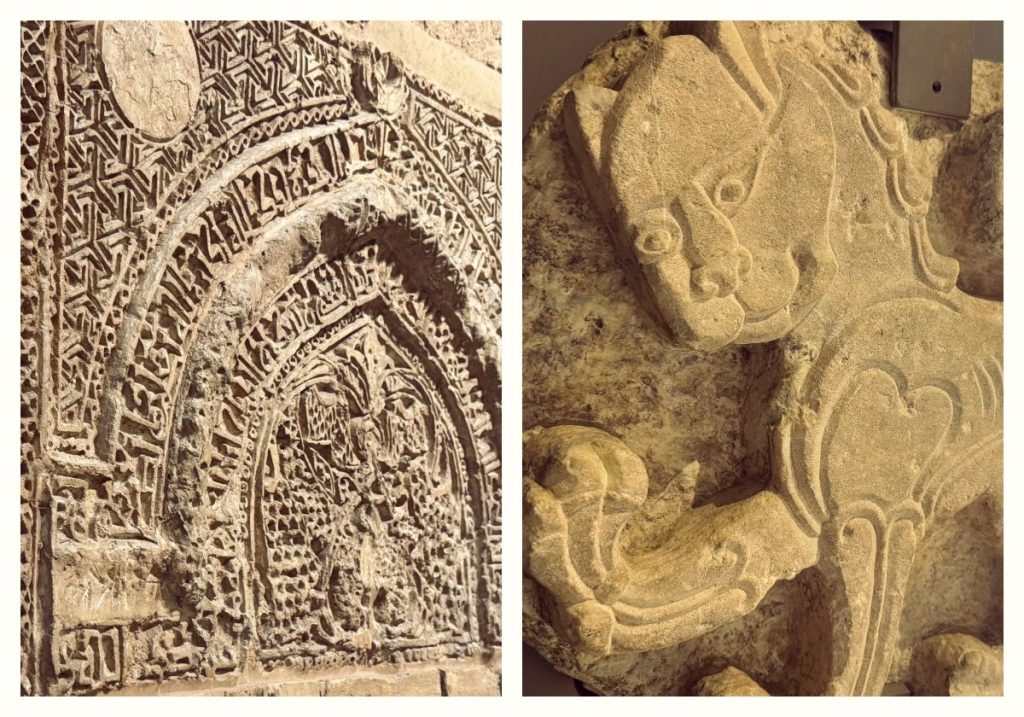
To celebrate this occasion, we share with you a series of images from the Historical Museum of Islamic Art in Cairo.
Founded in 1905, the museum is home to one of the most important collections of Islamic artifacts in the world. It contains more than 100,000 objects, although just over 4,000 are on display at any given time.
The museum’s lighting is stunning, and its use of space is deliberate, with doors and fountains arranged to give visitors an idea of how some objects were originally placed and used. Among its most compelling collections are ceramics and manuscripts.
.
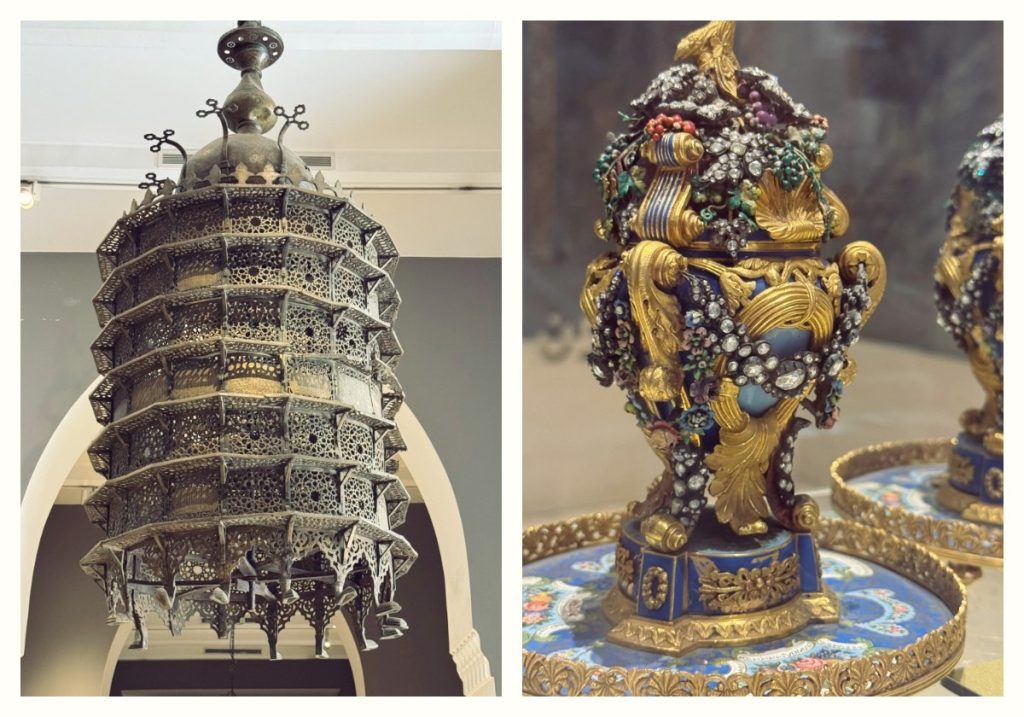
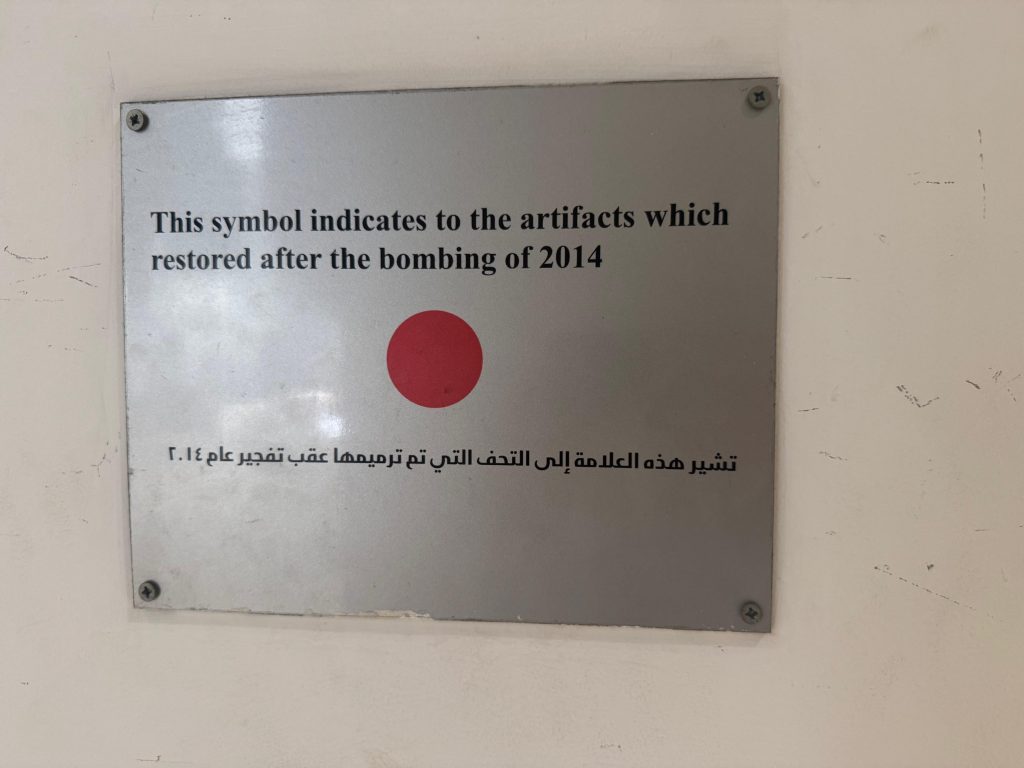
The museum is located in Bab al-Khalq in Cairo, and its back section includes the National Archives. It was closed for several years after a 2014 car bomb attack on nearby police headquarters, causing extensive damage to the building. The museum reopened in 2017 with restored artifacts once again on display.
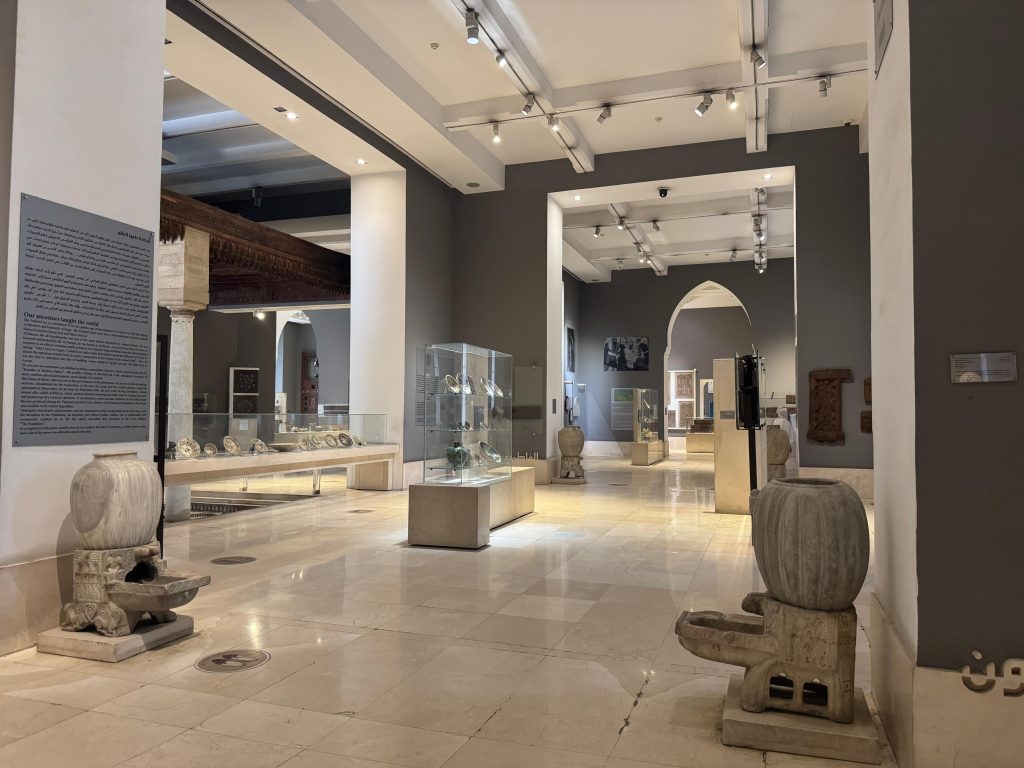
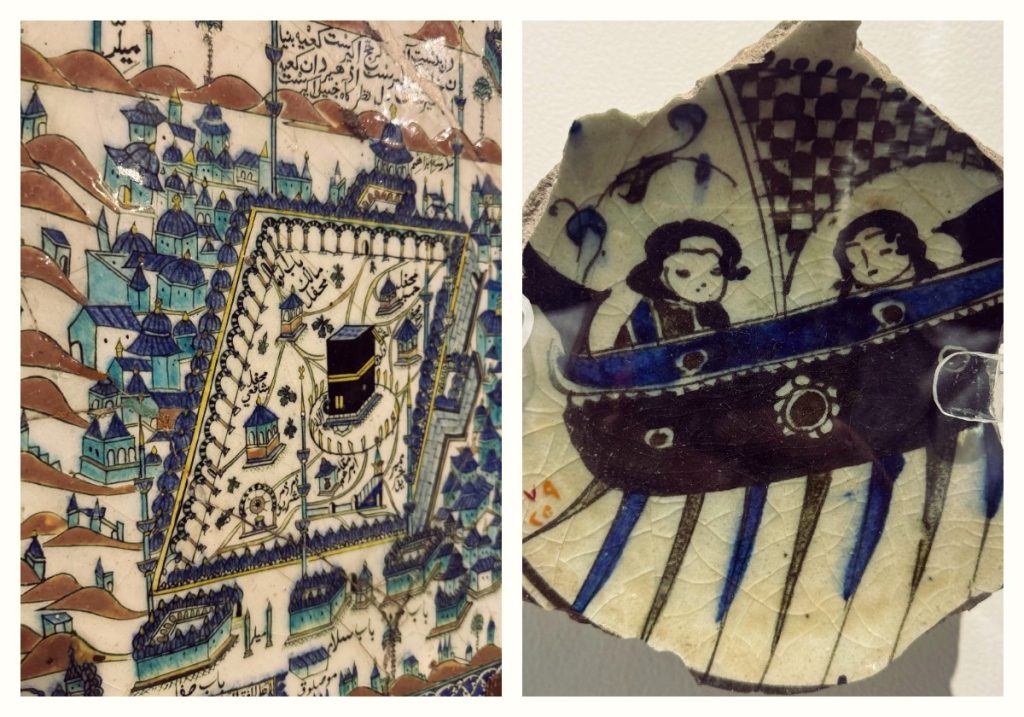
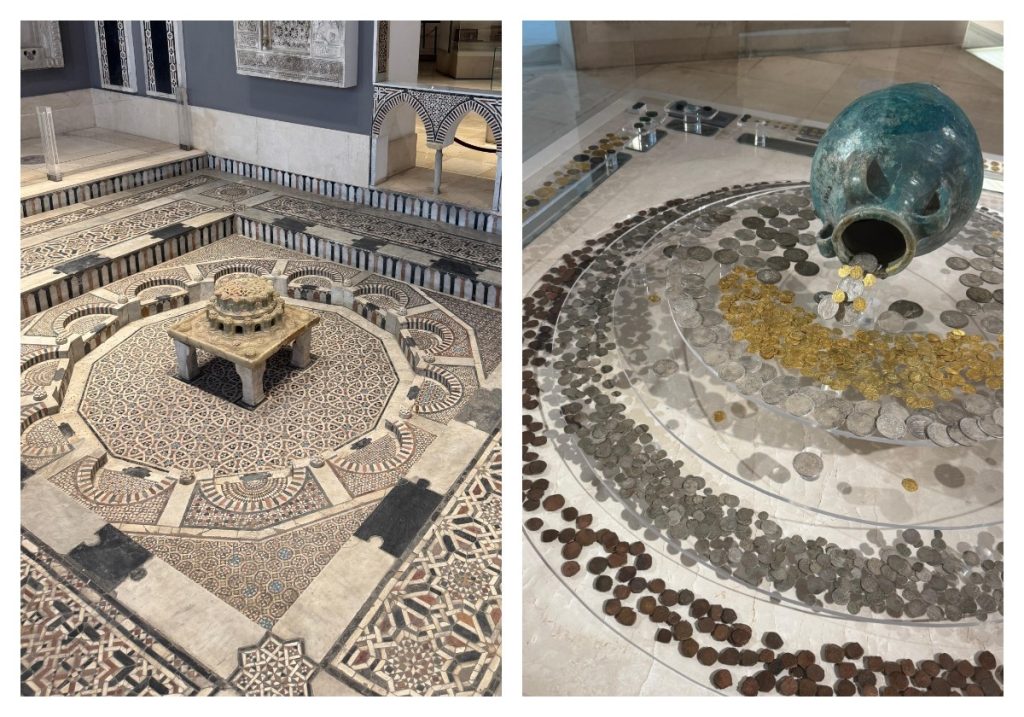
The museum is a large area and includes a collection of artifacts that is considered the largest of its kind in the world. Celebrating the vast Islamic heritage, hundreds of thousands of artifacts have been collected from across the Islamic world, from China to Iran to Andalusia. Some rooms have a specific theme, such as one dedicated to weapons and another to medicine and Islamic sciences, while other halls follow a more chronological layout.